Can You Still Lift Heavy With Pelvic Floor Issues?
Quick Answer: Heavy lifting isn’t automatically off-limits with pelvic floor dysfunction, but breath and bracing technique matter far more than the weight on the bar — poor intra-abdominal pressure management is usually the actual problem, not the load itself.
A well-meaning comment about ‘not lifting too heavy’ has probably made you nervous about the barbell you used to love. The advice isn’t wrong, exactly, but it’s aimed at the wrong variable.

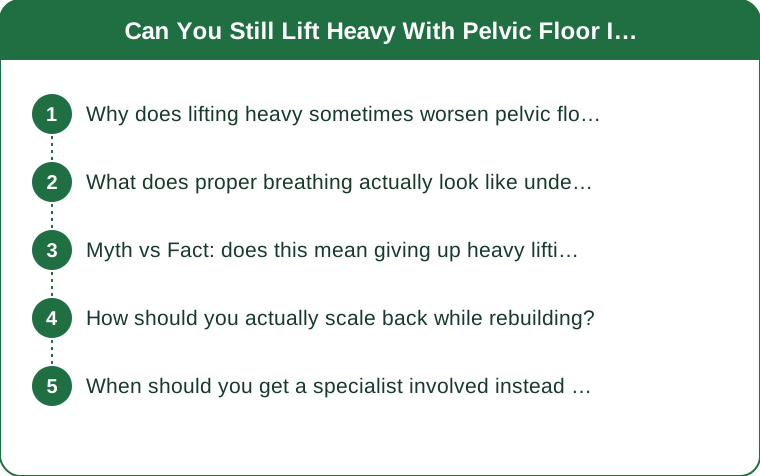
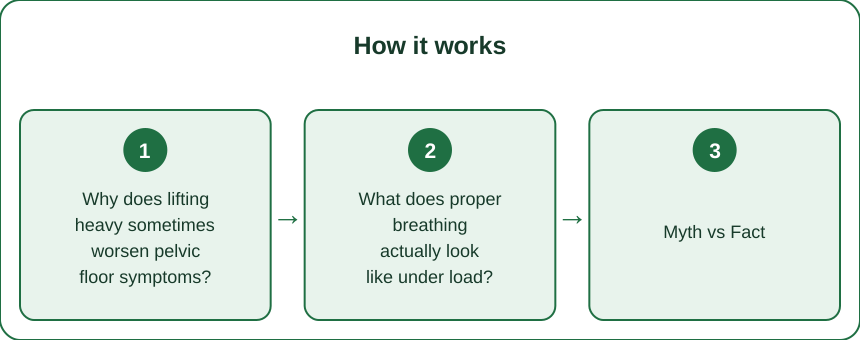
Why does lifting heavy sometimes worsen pelvic floor symptoms?
The issue is usually a breath-holding pattern (the Valsalva maneuver done incorrectly) that spikes intra-abdominal pressure straight down onto an already-compromised pelvic floor, rather than distributing that pressure through a properly braced core. It’s the pressure management, not the absolute weight, that determines the impact.
Two people lifting the identical weight can have completely different pelvic floor outcomes based purely on their breathing and bracing pattern.
What does proper breathing actually look like under load?
A controlled exhale through the sticking point of a lift — think a steady ‘ssss’ or ‘hhh’ sound as you push through a squat or deadlift — helps manage pressure instead of trapping it downward. This is different from either holding your breath completely or from a loose, unbraced belly.
Working with a pelvic floor physical therapist to feel this pattern correctly, ideally with real-time feedback, shortcuts a lot of trial and error most people do alone.

Myth vs Fact: does this mean giving up heavy lifting?
Myth: pelvic floor dysfunction means switching to light weights and high reps permanently. Fact: many pelvic floor specialists actively help clients return to heavy lifting — the goal is usually restoring capacity, not permanently limiting it.
Myth: any downward pressure sensation means damage is happening. Fact: some pressure sensation during heavy lifts is normal; it’s persistent leaking, bulging, or pain that signals the technique or load needs adjustment, not sensation alone.
How should you actually scale back while rebuilding?
A common approach is reducing load or reps temporarily while prioritizing breath control until the pattern feels automatic, then gradually reintroducing heavier loads once bracing is reliable under fatigue, not just on a fresh first rep. Testing technique when tired matters, since that’s when old compensations resurface.
Progressing intentionally rather than jumping straight back to previous max weights gives your pelvic floor time to adapt alongside your strength.
When should you get a specialist involved instead of self-correcting?
Persistent leaking during lifts, a sensation of heaviness or bulging, or pain that doesn’t resolve with breathing adjustments are signals to see a pelvic floor physical therapist rather than continuing to self-troubleshoot. These specialists can assess your specific pattern in ways a general article can’t.
This is general information, not medical advice — pelvic floor dysfunction varies enough between individuals that personalized assessment usually gets better results than generic guidance alone.
TL;DR:
- Breath and bracing technique determine impact more than the actual weight lifted
- A controlled exhale through the lift’s hardest point helps manage pressure properly
- Heavy lifting is often a return-to goal in pelvic floor rehab, not a permanent restriction
- Persistent leaking, bulging, or pain means it’s time for a specialist, not just more caution
The barbell isn’t necessarily the enemy — the breath-holding habit usually is, and that’s fixable with the right guidance.
Keep Reading
This article is for general informational purposes only and is not medical advice. Always consult a qualified health professional for guidance specific to you.