Preparing Your Pelvic Floor for Pregnancy and Birth: The Before-and-During Training Guide
The pelvic floor works its career-hardest during pregnancy and birth — nine months of growing load, then the main event — and preparation changes outcomes measurably. The prep guide: the demands, the trimester plan and the release work that birth actually needs.

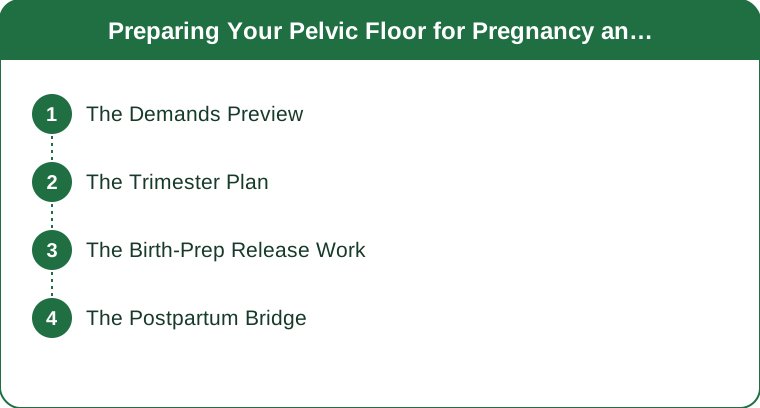
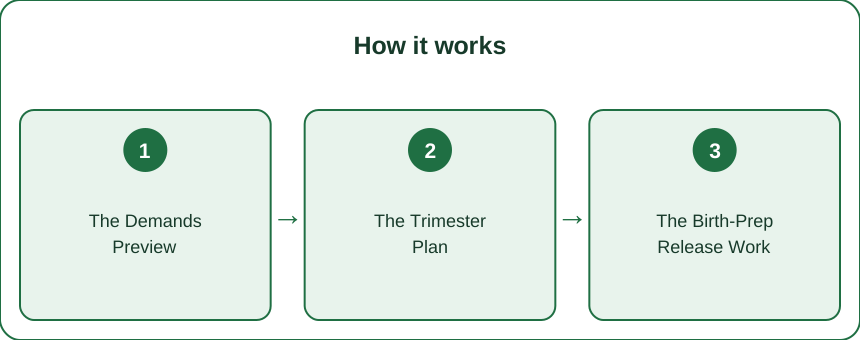
The Demands Preview
What pregnancy asks of the floor: the load math (the growing uterus adding kilos directly onto the floor — the hammock from the floor-basics doctrine under progressive, unavoidable overload), the hormone factor (the relaxin softening the supporting tissues per the pregnancy doctrine — the laxity that’s birth-purposeful and support-costly), the continence statistics (the pregnancy leaking being common and trainable — the trials showing prenatal floor training reducing incontinence during AND after; the evidence being strong enough for guideline status), the birth paradox (the floor needing strength for pregnancy and RELEASE for delivery — the both-skills reality most advice halves; the squeeze-only training missing birth’s actual request), and the professional note (the pelvic-physio visit as ideal prenatal care — the individualized assessment from the floor doctrine; the guide below being the literacy, not the prescription).
The Trimester Plan
Training through the nine months: the first-trimester foundation (the correct-technique kegels from the basics doctrine — the lift-hold-and-FULL-release cycles; the quick flicks and long holds both; the breath-coordination habit: the exhale-with-lift pattern that becomes birth-relevant), the second-trimester build (the floor work integrated with the safe-exercise program from the pregnancy doctrine — the squats-and-carries with pre-tension; ‘the knack’ before lifting toddlers and groceries; the positions adapted as the bump grows: the side-lying and seated options), the third-trimester shift (the emphasis MOVING from strengthening toward release-and-relaxation — the birth-prep pivot most programs miss; the training tapered like any event prep), the daily-life layer (the posture and lifting mechanics from the bump doctrine — the constipation management protecting the floor from straining per the fiber doctrine), and the symptom flags (the heaviness, dragging or leaking that escalates — the physio referral now, not postpartum; the treatable-now doctrine).

The Birth-Prep Release Work
The second skill: the release training (the reverse-kegel practice — the floor’s letting-go rehearsed as deliberately as its lifting; the imagery cues: the flower opening, the jaw-floor connection — the relaxed jaw genuinely helping the floor release), the breathing rehearsal (the slow exhale-and-soften pattern — the birth-breathing from the breathwork doctrine; the practice that makes release available under intensity), the perineal-massage evidence (the from-34-weeks protocols showing reduced tearing in first births — the technique taught by midwife-or-physio; the partner-or-self options; the evidence-backed practice too few hear about), the positions exploration (the birth positions rehearsed — the squatting mobility from the birth-prep doctrine; the upright-and-side options that floor mechanics favor), the labor-tools preview (the release-under-contraction practice via the ice-cube-hold drill — the discomfort surfed with a soft floor; the training that transfers), and the flexibility framing (the birth plans held lightly — the prepared floor serving every delivery mode; the cesarean-birth mothers benefiting from the same prep per the recovery doctrine).
The Postpartum Bridge
Prep that pays forward: the recovery head start (the trained floor recovering faster postpartum in the research — the prenatal work as the rebuild’s foundation per the postpartum doctrine), the early-days plan (the gentle breath-and-awareness work resuming when ready — the postpartum timeline doctrine’s phase one previewed), the expectations honesty (the floor’s postpartum reality normalized — the healing months, the physio standard-of-care visit; the common-not-normal symptom literacy), the partner briefing (the support person taught the why — the lifting help and recovery protection from the household doctrine), and the long-view close (the pregnancy floor-prep as the start of a lifelong relationship — the floor that gets trained attention through every chapter per the life-stage doctrine; the nine months of preparation buying decades of function; the invisible muscle group, finally given its event-prep respect). Strengthen early, release late, massage from 34 weeks: the floor, prepared for its biggest job.
Train strength early (correct kegels with full releases), pivot to release work in the third trimester — reverse kegels, jaw-soft breathing and perineal massage from 34 weeks have real evidence. A pelvic physio visit is ideal prenatal care; heaviness or leaking means go now, not postpartum.
See It in Motion
Seen here: Maternity Capris with Side Pockets — shop it on bubblelime.com
Keep Reading
This article is for general informational purposes only and is not medical advice. Always consult a qualified health professional for guidance specific to you.